6 Reasons Why the Sandakphu Trek Deserves a Spot on Your Bucket List
Some treks challenge your stamina. Some reward you with views. And then there are a rare few that quietly stay with you long after the journey ends. For me, the Sandakphu Trek falls firmly into the last category.
When I did this trek in the spring of 2019, I expected a pleasant Himalayan walk with good views. What I didn’t expect was to walk into an unforgettable journey. This one was filled with jaw‑dropping panoramas, shared laughter with strangers who soon became friends, and moments that still surface in my memories even today. Despite many treks since then, Sandakphu remains one of my all‑time favourites.
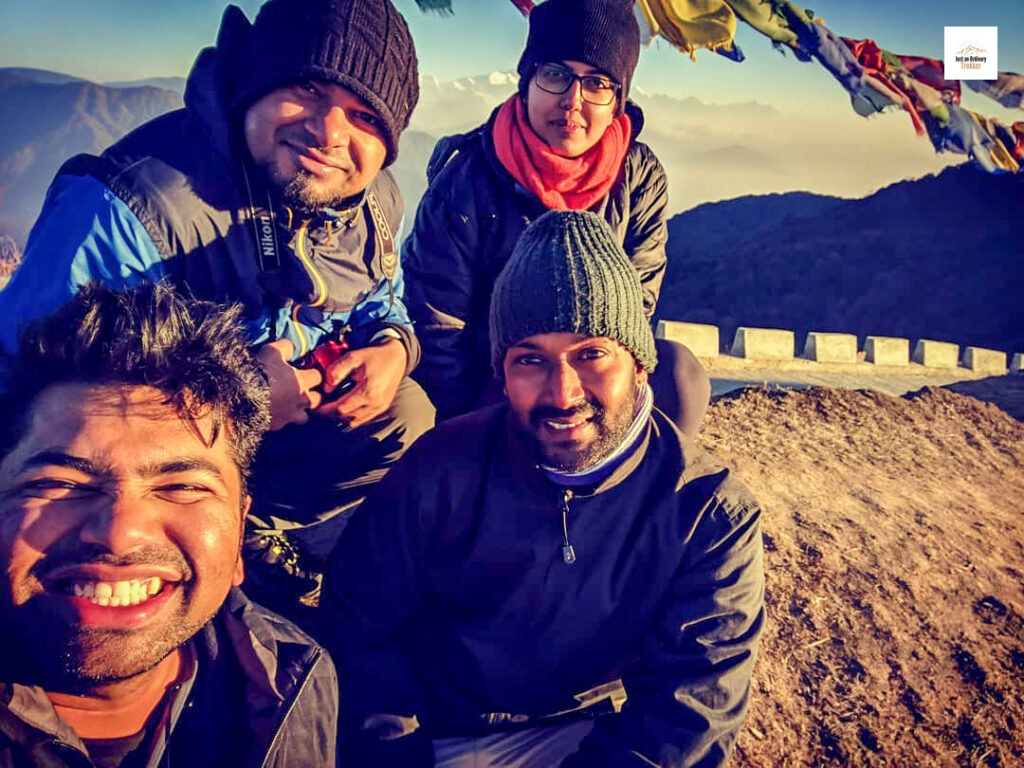
I’ve already shared a detailed account of my Sandakphu journey earlier. But whenever I revisit it, I’m reminded that the fun we had as a group was truly special.
If you’d like to follow the trek chronologically and experience it the way it unfolded for me, you can explore the complete travelogue series here:
- From Bagdogra to Chitre – where the Sandakphu journey begins
(Bagdogra chaos giving way to the calm of Chitre) - The real Sandakphu Trek begins – from Chitre’s sunrise to Tumling’s Sleeping Buddha
(The day when the mountains finally reveal themselves) - Sandakphu Trek Finale – standing at the highest point of West Bengal
(The most rewarding and emotional end to the journey)
But nostalgia aside, Sandakphu Trek has far more compelling reasons to earn a place on your bucket list.
So without further ado, here are six reasons why the Sandakphu Trek deserves to be experienced at least once in your lifetime.
1. A Rare Chance to See 4 of the World’s Top 5 Highest Mountains
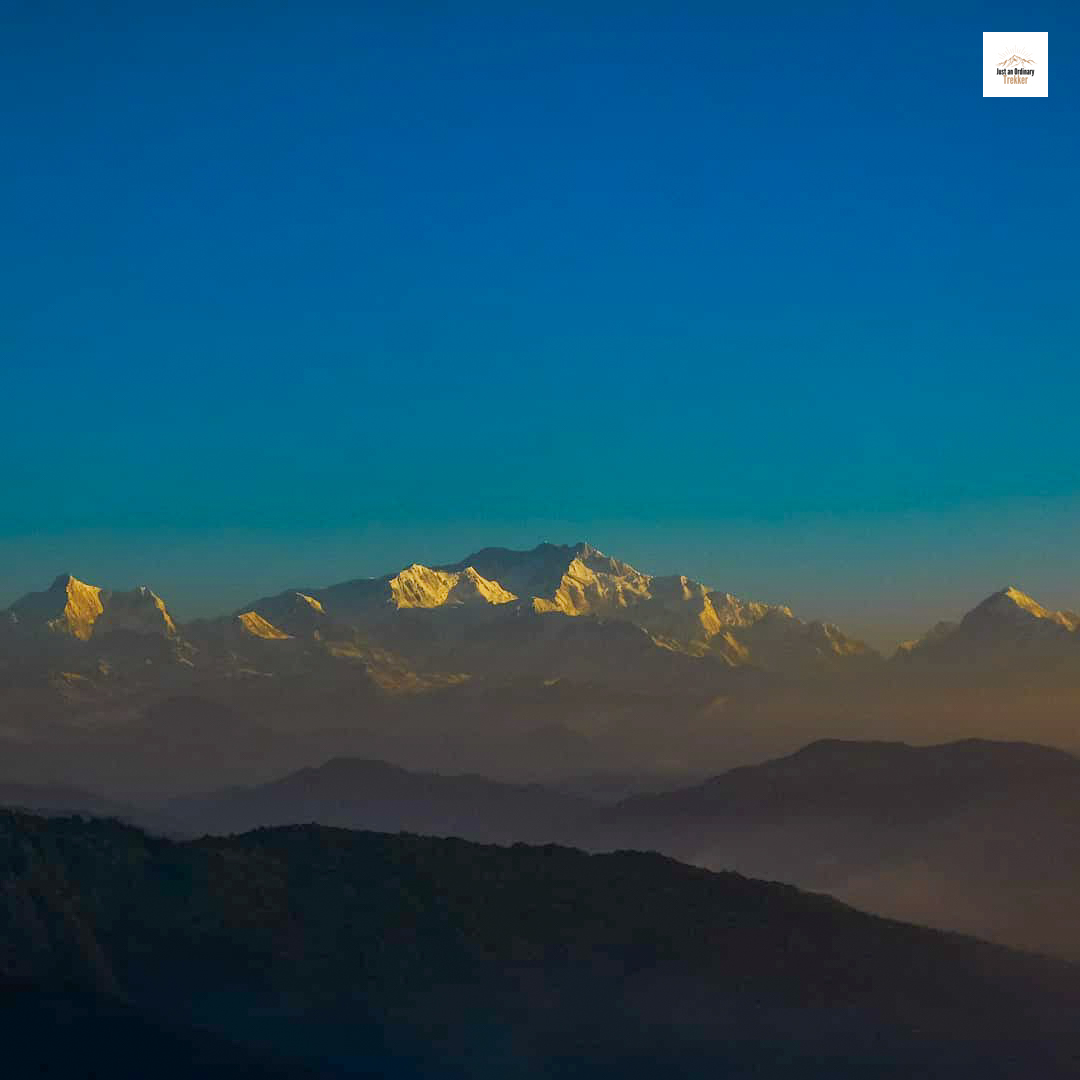
Sandakphu is famous for its breathtaking views of Mount Kanchenjunga. Along with Mount Kumbhakarna and Mount Pandim, Kanchenjunga forms the iconic Sleeping Buddha. A sight that stays with you for the entire trek.
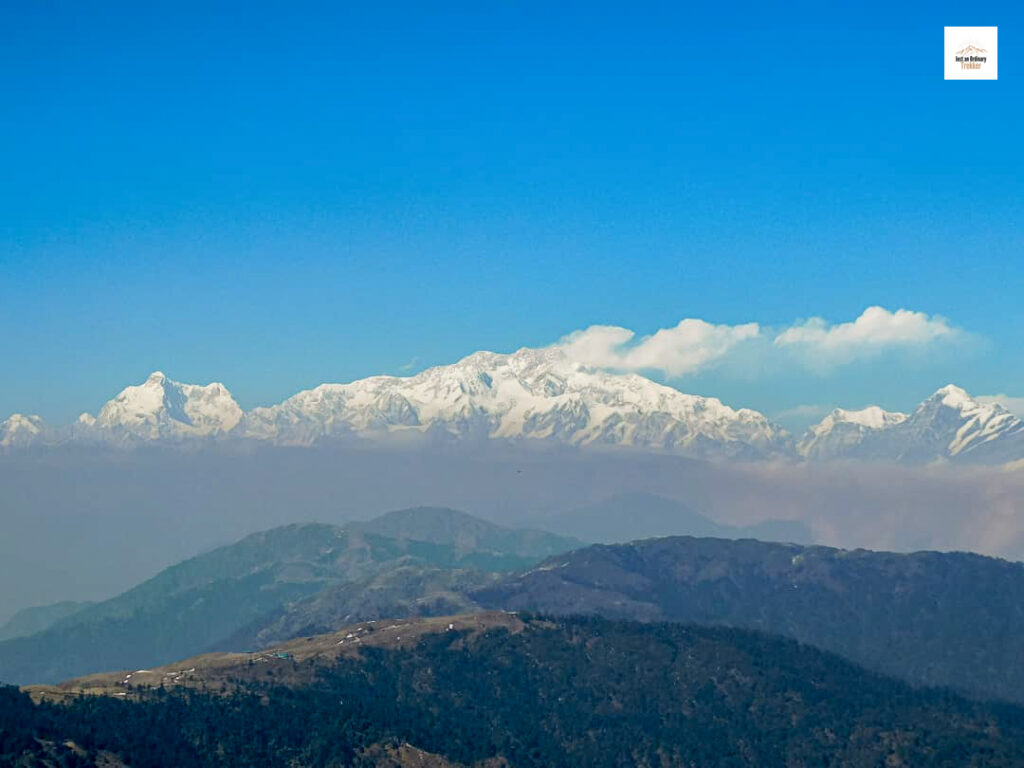
But what truly sets Sandakphu apart is something few treks in the world can boast of. You also get to see Mount Everest, along with Mount Lhotse and Mount Makalu, from the same region. Lhotse and Makalu are the world’s 4th and 5th highest peaks, respectively. Meaning only K2 is missing from the elite top five.
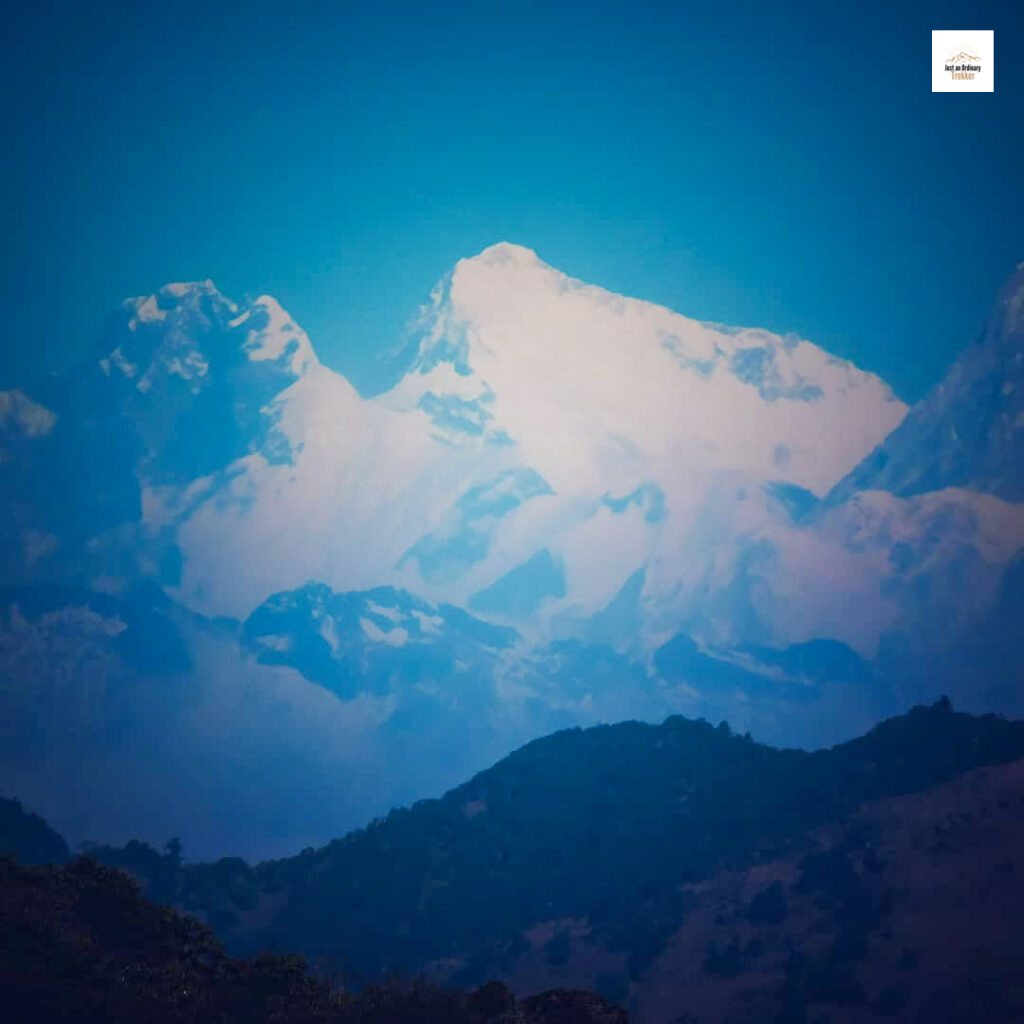
Seeing Everest with my own eyes for the first time was a feeling I can’t quite put into words. It’s easily my favorite highlight of the Sandakphu Trek. Looking at the Sleeping Buddha from Tumling was surreal, but catching this glimpse of the mighty Everest changed everything. Next stop: Everest Base Camp. I can already feel the mountain calling
From viewpoints such as Tumling, Sandakphu, and Phalut, the Sleeping Buddha dominates the foreground, while Everest, Lhotse, and Makalu quietly rise in the distance. They may appear smaller due to the distance, but make no mistake—watching these giants with your own eyes sends unmistakable goosebumps down your spine.
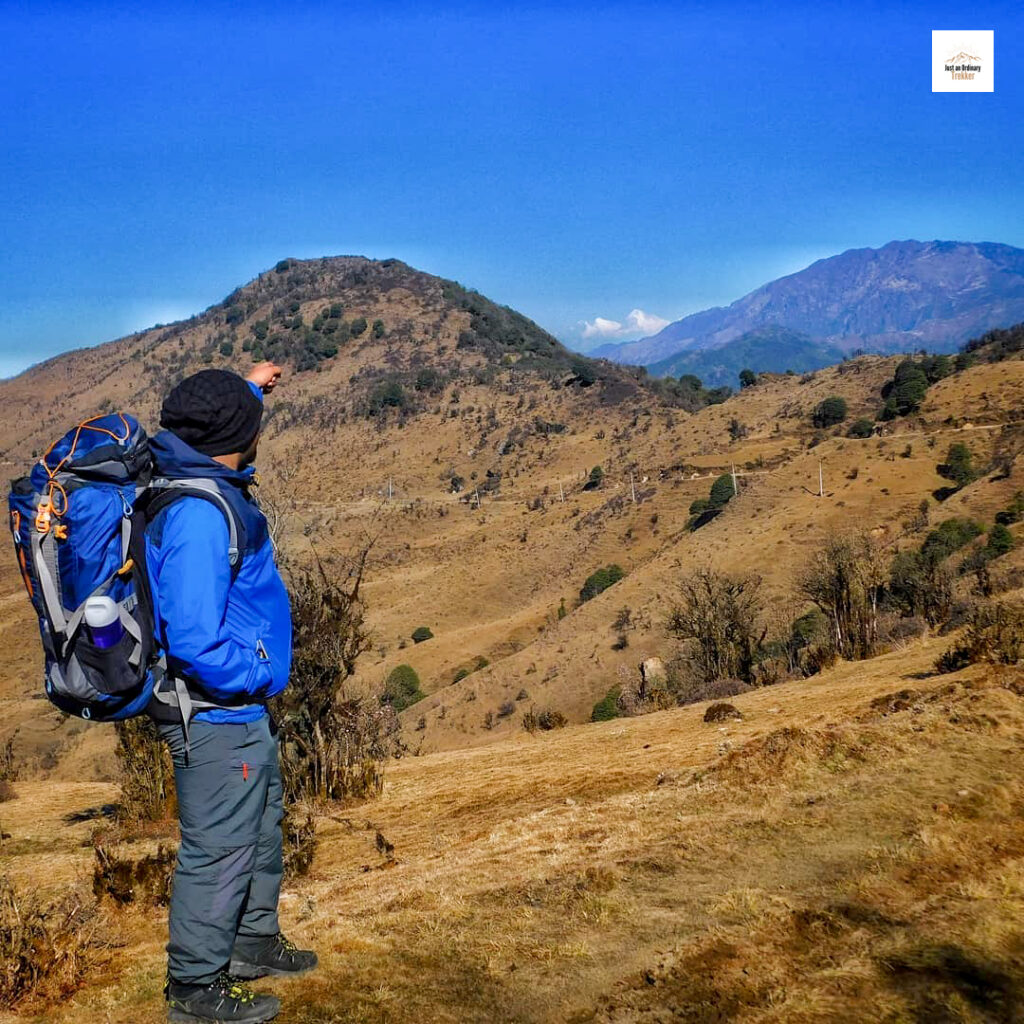
Seeing Everest from the trails of North Bengal remains one of the most surreal moments of my trekking life.
2. Standing at the Highest Point of West Bengal
At 11,930 feet, Sandakphu Peak is the highest point in the entire state of West Bengal. Located on the Singalila Ridge, it’s a small settlement dotted with a few lodges and perched right on the edge of the Singalila National Park.
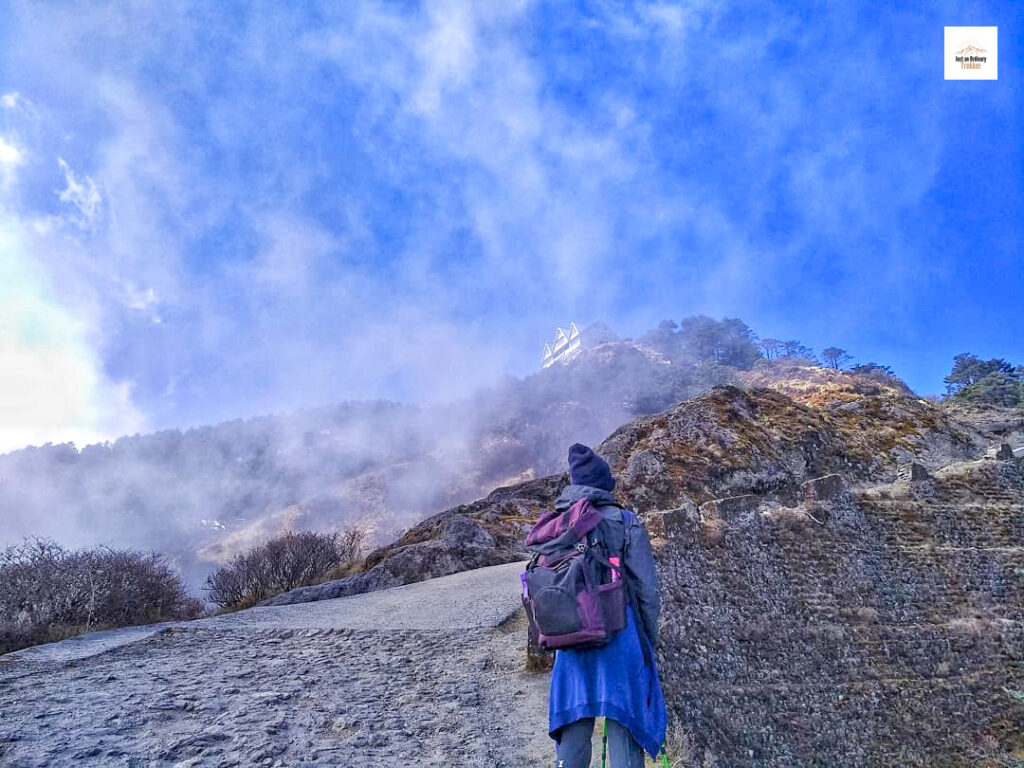
No matter how experienced you are as a trekker, there’s something deeply satisfying about standing at the highest point of a state. It carries a quiet sense of achievement—one that doesn’t need loud celebrations.
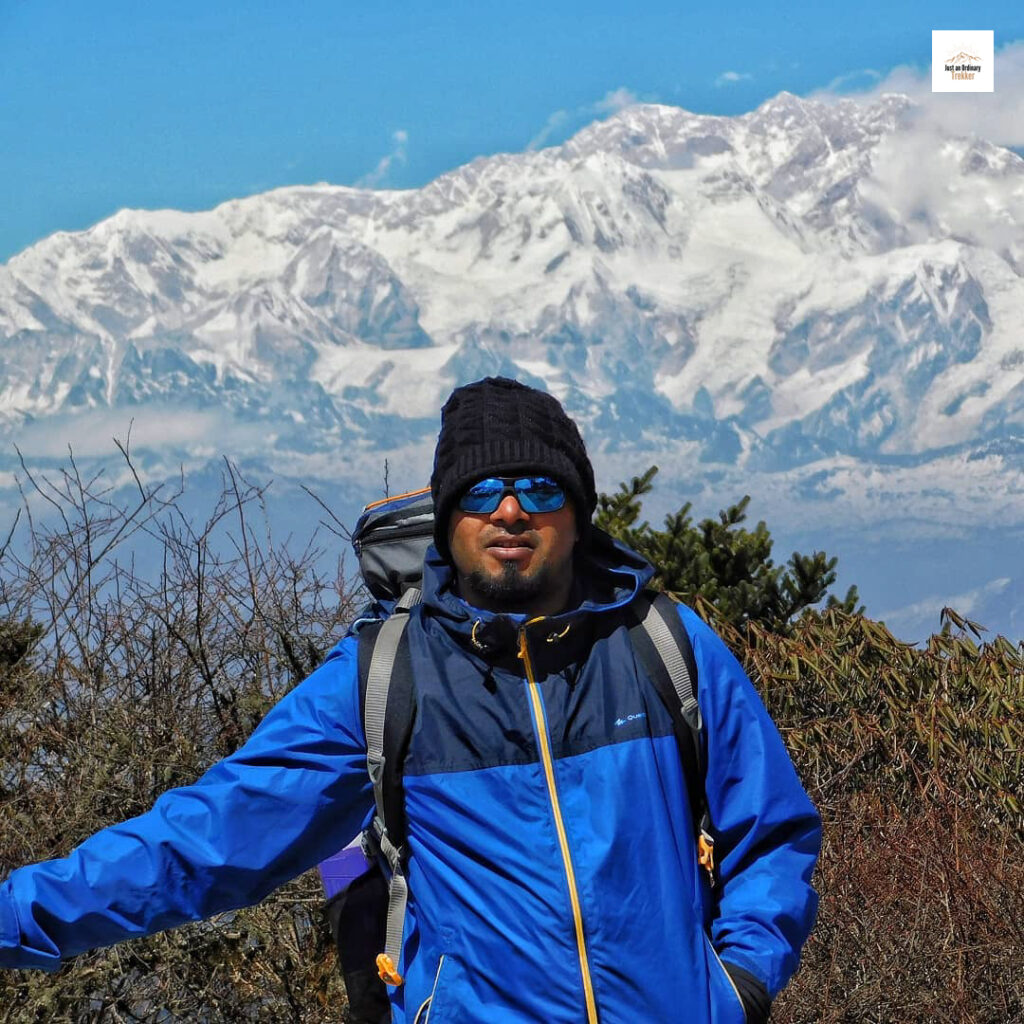
And as if that wasn’t enough, you’re rewarded with sweeping views of the Sleeping Buddha, with Everest, Lhotse, and Makalu visible on clear days. This unique combination of geographical pride and Himalayan grandeur makes Sandakphu truly special.
3. One of the Very Few Teahouse Treks in India
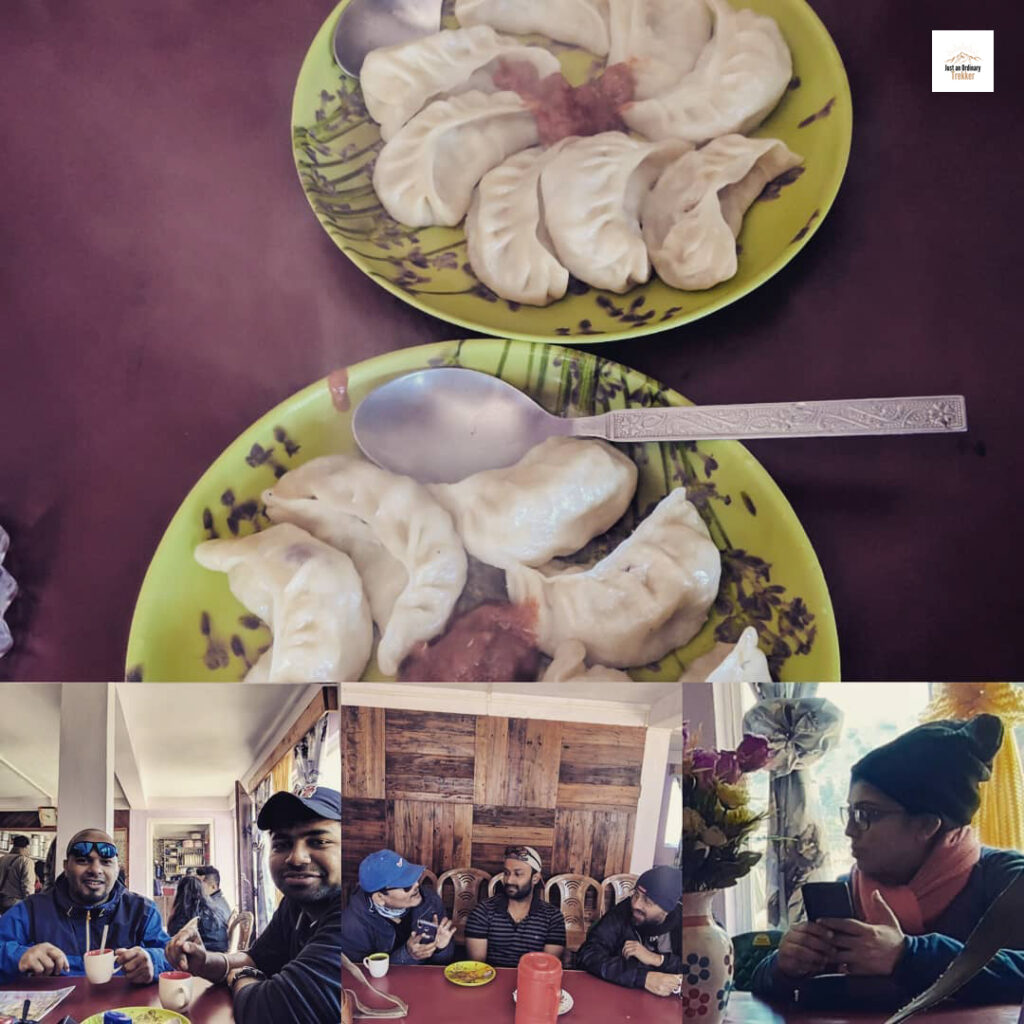
Teahouse trekking is a concept borrowed from Nepal, where trekkers stay in cosy lodges instead of camping in tents. You typically get accommodation in exchange for having your meals at the lodge. A system that encourages warmth, comfort, and social interaction.
In India, this style of trekking is extremely rare. Most Indian treks rely heavily on campsites, making Sandakphu a refreshing exception.
Location – Gairibas
Most of Sandakphu trekkers stop here on the way to Kalipokhri!
If you’ve ever been curious about teahouse trekking but aren’t quite ready for Nepal’s high‑altitude trails, Sandakphu is the perfect introduction. Warm beds, hot meals, and stories shared over cups of tea, this is trekking with a comforting human touch.
4. An International Border Trek Without the Usual Formalities
The Singalila National Park is shared by India and Nepal, and so is the Sandakphu trail. What makes this fascinating is that once you’re inside the park, you can casually move between India and Nepal—without any passport checks or immigration formalities.
In some teahouses, your bedroom might technically be in India while the washroom lies in Nepal. For the locals, this seamless blending of borders is simply everyday life.
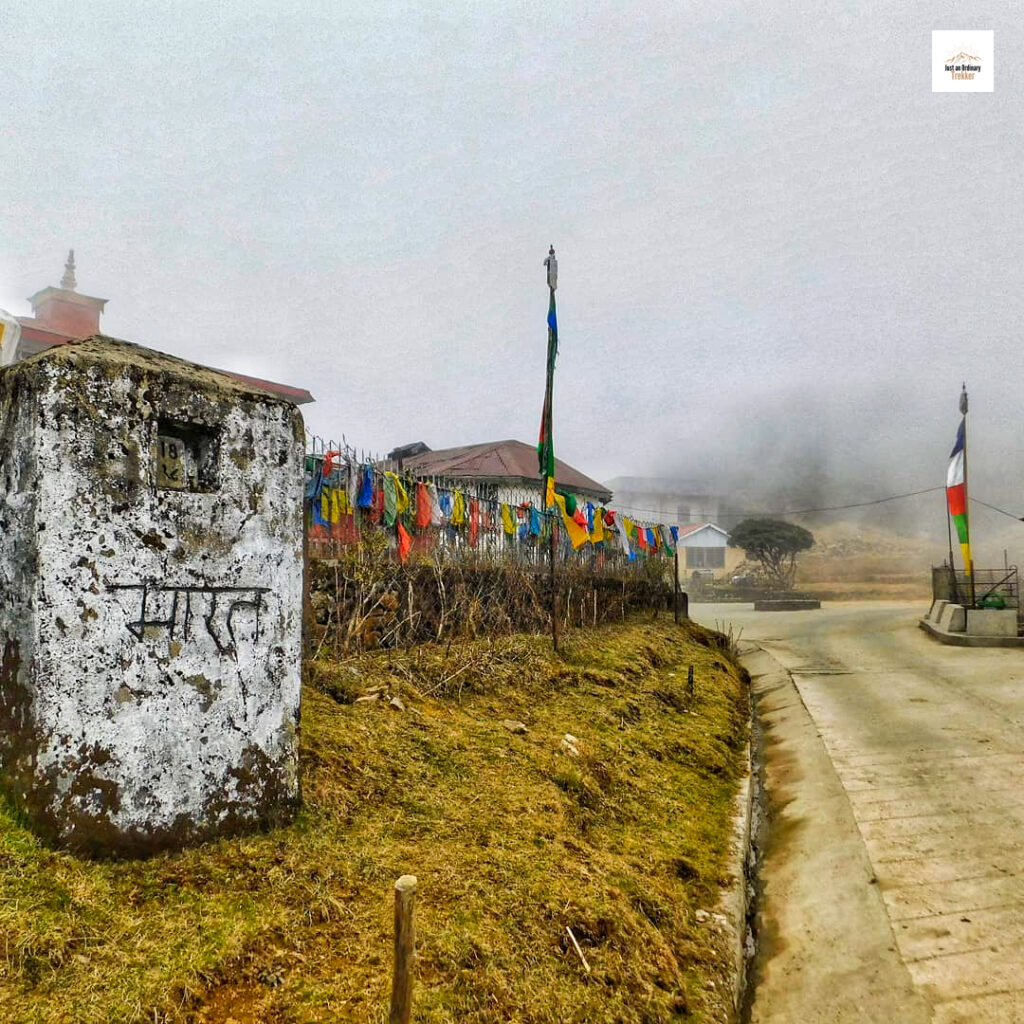
The only documentation check usually happens at the entry to Singalila National Park. Beyond that, the borders fade away, making Sandakphu one of the rare international treks where geography feels fluid and wonderfully surreal.
5. A Taste of Nepalese Trekking Culture—Within India
Nepal’s trekking culture is legendary, not just because of its mountains, but because of the people who call these landscapes home. Their customs, hospitality, and way of life are deeply intertwined with the trails.

While trekking along the Nepalese side of Sandakphu, you get a glimpse into this culture. Sitting inside a teahouse, chatting with locals, sharing meals, and learning about their daily lives adds a rich cultural layer to the journey.
This is something many Indian treks lack, as they are often far removed from villages and human settlements. Sandakphu bridges that gap beautifully, offering cultural immersion without needing to step into the Everest or Annapurna regions.
6. Experiencing Singalila National Park in All Its Glory
Singalila National Park is best known for its rhododendron forests and the elusive Red Panda. Visit during spring, especially in April, and the trail explodes with colour as rhododendrons bloom in vibrant shades.
Wildlife sightings are always a matter of luck, but Sandakphu offers genuine possibilities. During my trek, our leader and one of my fellow trekkers were lucky enough to spot a Red Panda—though it disappeared before the rest of us could arrive.
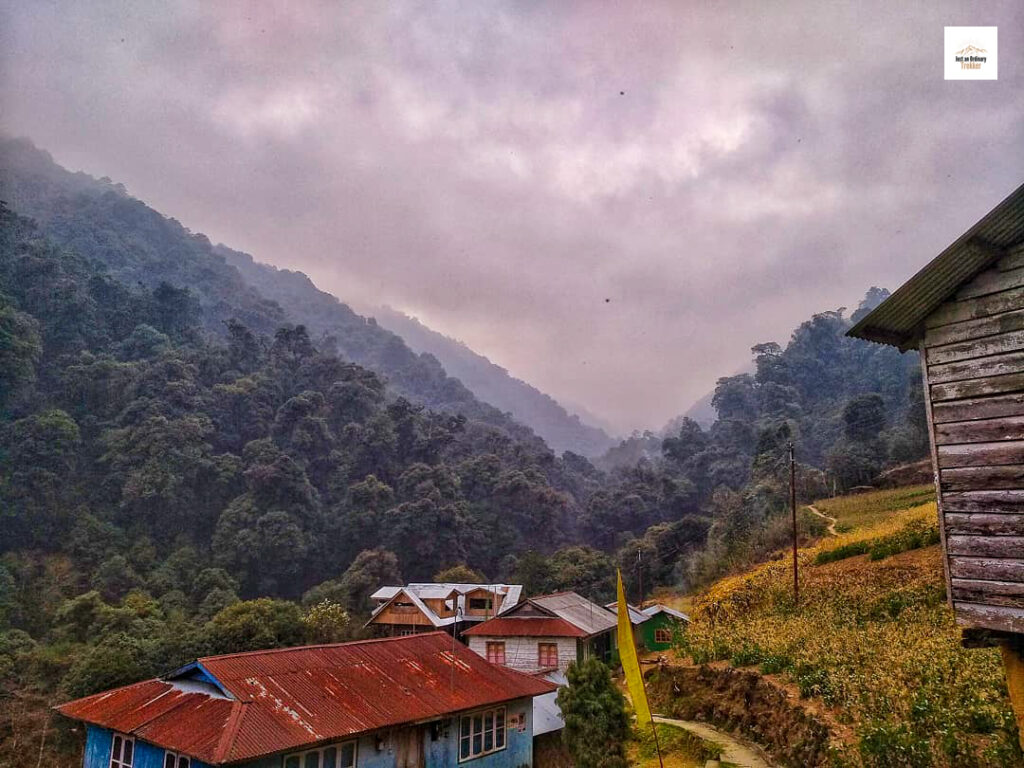
Apart from Red Pandas, the park is also home to barking deer, Himalayan black bears, and even snow leopards for the exceptionally fortunate. Trekking through such rich biodiversity adds yet another layer of magic to the experience.
Final Thoughts
If this blog has sparked your curiosity, I’d highly recommend pairing these reasons with the detailed day-by-day travelogues linked above. Together, they’ll give you both the why and the how of the Sandakphu Trek—from the first steps at Bagdogra to the unforgettable views from the summit.
Sandakphu is not just a trek—it’s a beautiful blend of Himalayan views, cultural immersion, comfort, and quiet adventure. Whether it’s watching the Sleeping Buddha glow at sunrise, sipping tea in a borderland teahouse, or simply walking trails steeped in stories, Sandakphu leaves a lasting impression.
If you’re looking for a trek that offers more than just altitude and mileage, Sandakphu truly deserves a place on your bucket list.
Abhilash
Hi, I’m Abhilash, the voice behind Just an Ordinary Trekker. I’m not a professional mountaineer — just someone who discovered a deep passion for the mountains and the magic of the trail. What began as a weekend escape soon turned into a journey across some of India’s most beautiful trekking destinations — from the rugged Himalayan treks to the serene trails of Uttarakhand and Kashmir. Through Just an Ordinary Trekker, I share honest trekking guides, personal experiences, and inspiring travel stories that go beyond the itinerary. My goal is to help fellow trekkers — beginners and seasoned hikers alike — plan better, trek safer, and truly connect with nature. If you’re searching for authentic insights, practical tips, and a dose of mountain inspiration, you’ll feel right at home here. Welcome to Just an Ordinary Trekker — one of the few India trekking blogs that celebrates not just the summits, but the stories along the way.


You May Also Like
6 Irresistible Reasons Why Roopkund Trek Belongs on Your Bucket List!