Hampta Pass Trek — The Misadventures of Manali Before the Mountains Began!
Some treks impress you with a single highlight. And then there is the Hampta Pass Trek — a trail that keeps changing its personality every few hours. One moment, you are walking through pine forests and flower-filled meadows of Kullu Valley, and the next, you are standing amidst the barren, dramatic landscapes of Spiti. Add icy river crossings, glacier walks, dreamy campsites and unpredictable mountain weather into the mix, and Hampta Pass becomes less of a trek and more of an experience stitched together from contrasts.
Among all the Himalayan crossover treks, Hampta Pass easily stands out as one of the most visually rewarding trails in Himachal Pradesh. In just four days, the mountains take you through an ever-changing canvas — lush valleys, roaring rivers, snow patches, narrow ridges and finally the raw, moon-like terrain of Spiti Valley. Very few treks manage to pack so much diversity into such a short duration.
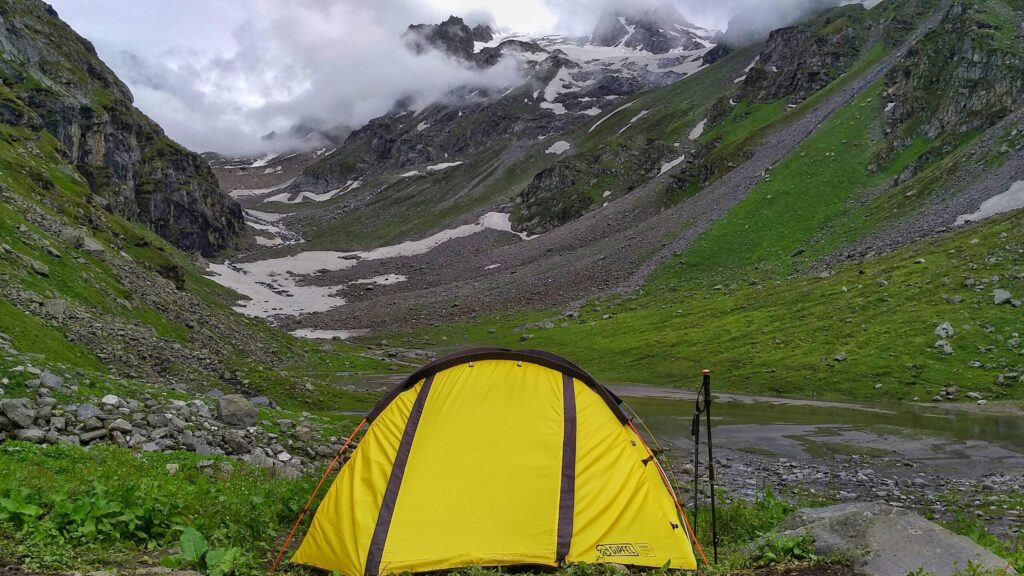
The trek usually begins from Jobra in the Kullu region and concludes at Chatru in Spiti Valley. Most trek operators include an additional day for the iconic Chandratal Lake excursion — a fitting finale to an already spectacular journey. Interestingly, endurance athlete Kieren D’Souza once completed the entire stretch from Chatru to Jobra in just 4 hours and 20 minutes. For most trekkers, though, this trail is best enjoyed slowly — soaking in every campsite, every stream crossing and every dramatic shift in scenery.
The Trek Plan That Started Over a Phone Call
It was July 2019 when Hampta Pass first entered our conversations. Hussain — my trekking companion from the Kashmir Great Lakes trek in 2018 — was looking for a Himalayan escape around the end of August. Naturally, our discussions quickly spiralled into endless comparisons between trails, weather windows, and leaves from office schedules.
After weeks of confusion and mountain-induced indecisiveness, we finally settled on Hampta Pass.
The next debate was about choosing the trek operator. It eventually came down to a close fight between Bikat Adventures and Indiahikes. We finally picked Indiahikes because their Sunday batch perfectly aligned with our travel plans and gave us an extra day to loiter around Manali. Hussain also had glowing reviews from his Brahmatal trek with them, so this seemed like the perfect opportunity for me to finally experience an Indiahikes trek firsthand.
Hussain flew in from Bangalore, and by evening, we were already dragging our backpacks through the chaos of Kashmere Gate ISBT, hunting for our overnight HRTC Volvo to Manali.
And thus began another Himalayan story.
Day 1 — Misadventures, Missing Certificates & A Hint of Chaos in Manali
The Overnight Ride to the Mountains
Unlike most Delhi-to-Manali horror stories, our Volvo journey was surprisingly smooth. The bus left around 7 PM and, for once, didn’t test our patience with massive delays. By around 7 the next morning, we rolled into the sleepy Manali bus stand with stiff backs, sleepy eyes and mountain excitement kicking in.
From there, we took an auto to Naggar Road where our Oyo hotel stood opposite the famous Keylinga Hotel — also the reporting point for our trek batch.
At least, that was the plan.
Just Some Classic Oyo Things
The hotel looked nothing like the photos online.
The room felt tired, half the taps didn’t work properly, and the geyser had apparently given up on life long before we arrived. There was no kitchen service, no visible staff except for one overworked caretaker, and the entire property had an unsettling emptiness to it — as if we were accidental guests in an abandoned building.
After somehow managing to freshen up, we escaped to the Keylinga Hotel for breakfast. A plate of hot Chole Bhature later, life suddenly seemed manageable again. Mountain trips may heal the soul, but North Indian breakfasts heal everything else.
Wandering Through Manali
Since Naggar Road lies away from the main town, reaching central Manali itself became a tiny adventure. We hitchhiked till the Manali bridge, crossed the roaring Beas River, and entered the chaotic tourist carnival that is Mall Road.
I personally have never enjoyed Mall Road much — it feels overly commercialised and crowded — but since it was Hussain’s first time in Manali, we spent some time roaming around the markets anyway.
Soon enough, we escaped toward the much calmer and far more beautiful Hadimba Devi Temple.
Hidden within towering cedar forests, the centuries-old temple has an almost mythical atmosphere around it. Dedicated to Hidimba Devi — believed to be the wife of Bhima from the Mahabharata — the temple feels less like a tourist spot and more like a forgotten relic quietly surviving inside the woods.
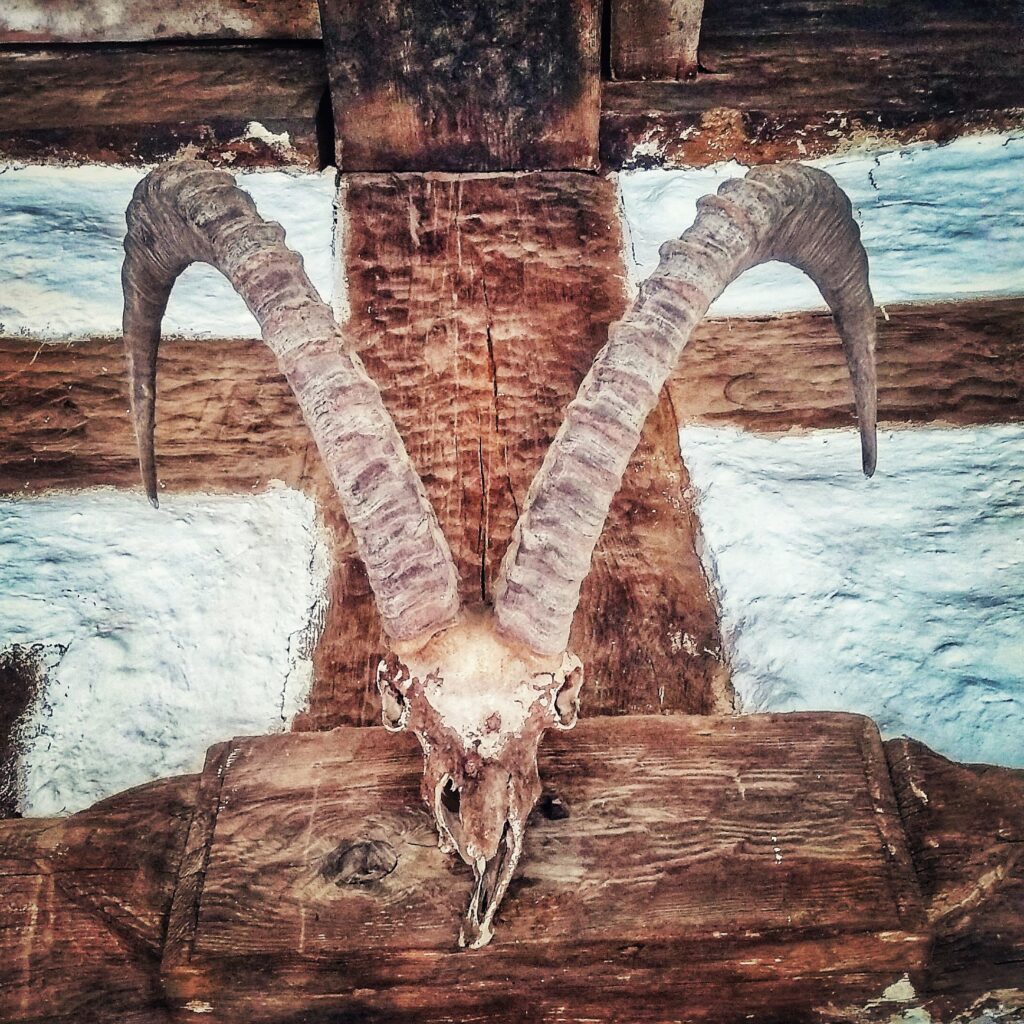
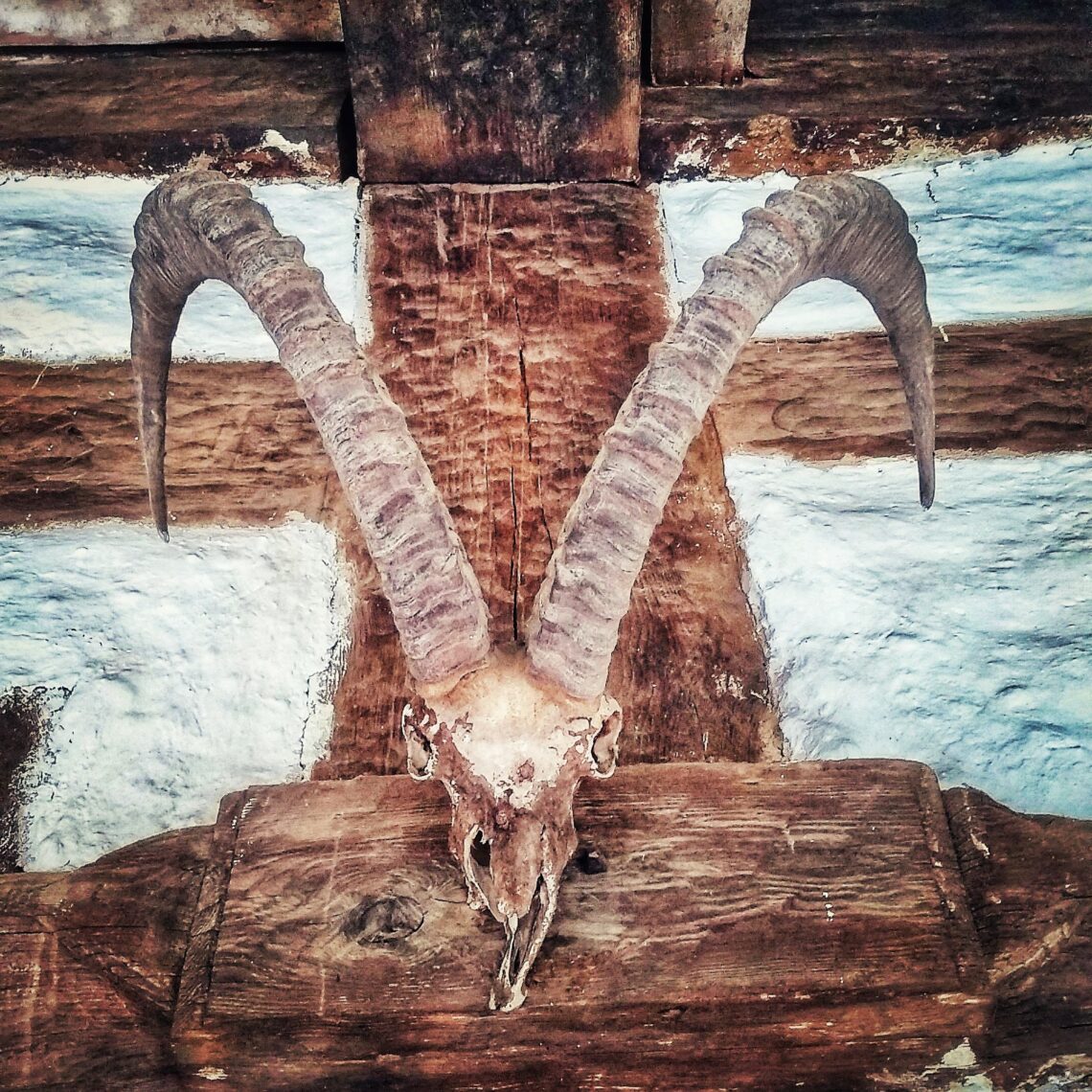
From there, we continued toward Manu Temple in Old Manali. Built in traditional pagoda-style architecture, it is believed to be the only temple in the world dedicated to Sage Manu. The walk through Old Manali’s narrow lanes, cafes and wooden homes was an experience in itself.
At this point, we still had an entire day to kill.
Which, in hindsight, was dangerous.
The Brilliant Idea That Almost Got Us Lost
Near Manu Temple, we noticed a signboard pointing toward Solang Valley. Another smaller sign claimed that a nearby village was just 2 km away.
With absolutely no planning and an unhealthy amount of confidence, we decided to walk toward it.
Initially, the trail looked harmless enough. But within twenty minutes, civilisation completely disappeared. The narrow path snaked through dense forest sections with absolutely no human presence around us. No houses, No voices, No trekkers. Nothing.
The deeper we walked, the more uncomfortable the silence became.
And then came the monkey sightings.
Followed by a snake encounter.
That was enough for my brain to immediately replay traumatic flashbacks of almost getting lost during the Kheerganga trek earlier. After trekking for nearly an hour without spotting either the village or another human being, we finally accepted defeat and turned back.
Probably one of our smarter decisions that day.
Beer, Panic & The Forgotten Medical Certificate
After surviving our accidental jungle expedition, we rewarded ourselves with a couple of beers at a café called Backstreet Café.
Halfway through the first beer, disaster struck.
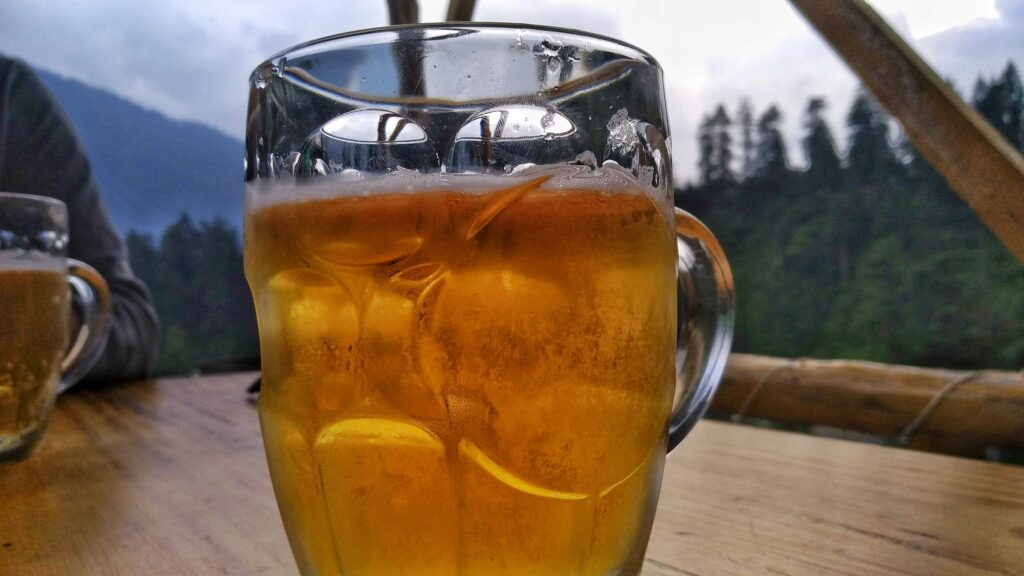
P.S. A quiet moment in Old Manali before setting off for the Hampta Pass trek. 🎒
I suddenly realised that I had forgotten my medical certificate back home in Delhi.
Now, for most organised Himalayan treks, the medical certificate is non-negotiable. No certificate means no trek.
I immediately called our Indiahikes coordinator, Manisha, hoping for some miracle loophole. Instead, she calmly confirmed my worst fear:
“No medical certificate, no participation.”
The beer instantly stopped tasting good.
The Great Medical Certificate Chase Across Manali
What followed next felt like a badly written comedy film.
We rushed through Manali hunting for clinics that could somehow issue a fresh medical certificate before evening. One clinic had already closed for the day. Another doctor simply refused because he was busy chatting with friends. At another place, the doctor had conveniently disappeared.
Finally, at Missionary Hospital, I met a Malayali nurse. Seeing a fellow Keralite in distress, she genuinely tried to help and even spoke to the doctor on our behalf. Unfortunately, she returned with disappointing news — the doctor wasn’t interested.
Her final suggestion was to rush immediately to the Civil Hospital.
At Civil Hospital, things somehow became even more absurd.
The emergency ward was open, but the doctor was nowhere to be seen. A lone nurse informed us that he had “gone for a break” and would return in 10–15 minutes. When he finally arrived, he casually asked me to return on Monday because certificates were apparently issued only on working days.
At that point, panic had fully taken over.
As a last desperate attempt, I called my friend Shubham, who was settled in Manali. Fortunately, one of his clients happened to be an administrator at the same hospital. A few phone calls later, the doctor who had earlier refused suddenly became extremely cooperative.
Within minutes, the Indiahikes medical form was signed and stamped.
And just like that, after an entire evening of chaos, near-failures and frantic auto rides across Manali, I finally breathed a sigh of relief.
The trek was back on.
The afterthought before the Hampta Pass trek officially begins!
By the time we finally stepped out of the hospital, Manali had already begun slowing down for the night. The streets were glowing under dim yellow lights, cafés were filling up with backpackers, and the mountains around the town had slowly disappeared into darkness.
What was supposed to be a relaxed acclimatisation day had somehow turned into a full-fledged adventure of its own — questionable hotels, accidental jungle hikes, monkey encounters, frantic clinic hopping and a near cancellation of the trek before it had even begun.
Exhausted from the chaos, we returned to our room, reorganised our backpacks one final time and tried to get some sleep. But somewhere beneath the tiredness, there was also excitement quietly building up. After all the drama of Day 1, the actual mountains were finally waiting for us.
The next morning, we would leave behind the bustling streets of Manali and drive towards Jobra — the true starting point of the Hampta Pass Trek. From there, the concrete roads would disappear, replaced by pine forests, roaring streams and the first glimpses of the magical valley leading toward Jwara.
And with that, our journey into the Himalayas would truly begin.
Abhilash
Hi, I’m Abhilash, the voice behind Just an Ordinary Trekker. I’m not a professional mountaineer — just someone who discovered a deep passion for the mountains and the magic of the trail. What began as a weekend escape soon turned into a journey across some of India’s most beautiful trekking destinations — from the rugged Himalayan treks to the serene trails of Uttarakhand and Kashmir. Through Just an Ordinary Trekker, I share honest trekking guides, personal experiences, and inspiring travel stories that go beyond the itinerary. My goal is to help fellow trekkers — beginners and seasoned hikers alike — plan better, trek safer, and truly connect with nature. If you’re searching for authentic insights, practical tips, and a dose of mountain inspiration, you’ll feel right at home here. Welcome to Just an Ordinary Trekker — one of the few India trekking blogs that celebrates not just the summits, but the stories along the way.


You May Also Like
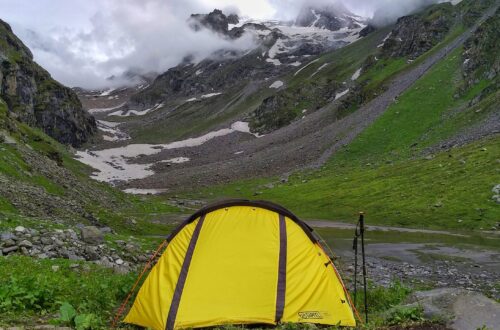
Hampta Pass Trek: Stargazing, Snow Patches, and the Trail to Balu Ka Ghera
My Triund Trek Story: From McLeodganj to Snowline in Rain, Mist & Joy