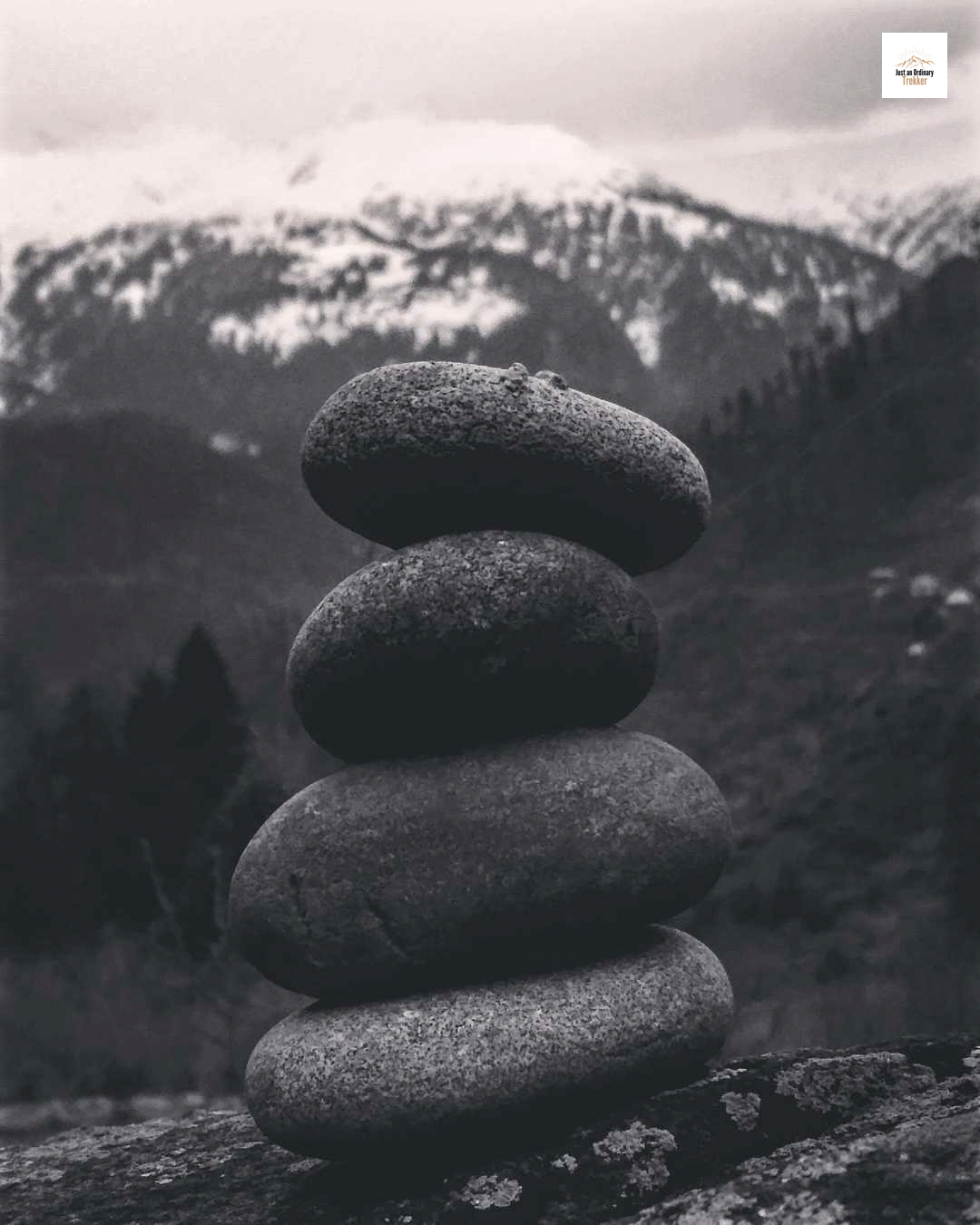
How I Completed the Kheerganga Trek After Getting Lost!
Note: If you haven’t already, read the first part of the Kheerganga trek here – “Lost on the Kheerganga Trek: A First-Timer’s Himalayan Misadventure” before continuing.
Finding the Way to start of the Kheerganga Trek
After narrowly escaping the terrifying sheer drops of the shortcut trail, Prashant and I began descending through the forest, mentally and physically drained. For over two and a half hours, we had been wandering in complete isolation since leaving our guesthouse in Kutla.
Then, finally, a sign of civilization. About 60–70 meters above us, we spotted what looked like a small, man-made shelter. Hope surged through us. We immediately started climbing toward it, hoping to find someone—anyone—who could guide us back to the right path.
On our way up, a group of langurs sat blocking the trail. To avoid disturbing them, we took a longer, winding route. That detour turned out to be a blessing. Just as we were approaching the shelter, we spotted a local man about 50 meters away. We waved frantically, shouting for help.
To our immense relief, he came down toward us before we even reached him.
We explained our situation and asked for directions to Barshaini or Kheerganga. He chuckled and pointed out that we were way off the trail. According to him, the only things we’d find if we continued in that direction were weed plantations, panthers, leopards, and wild bears. Not exactly the Himalayan adventure we had in mind.
Sensing our anxiety, he kindly offered to guide us back to the proper route. We had to constantly ask him to slow down; we didn’t want to lose sight of him again. After about 25 minutes of careful descent, we finally hit the main trail that connects Barshaini to Kheerganga. With heartfelt thanks, we bid our saviour goodbye as he disappeared into the forest toward his village.
The Trek to Kheerganga Begins—For Real This Time
By the time we reached the official trailhead, we were already exhausted. Our stomachs were empty, and our energy reserves were completely depleted. We found a small eatery and devoured some much-needed aloo parathas. With our spirits lifted and our bodies slightly recharged, we finally began the Kheerganga trek.
Compared to our morning ordeal, the actual trail was smooth and uneventful—but breathtaking. Towering trees, gurgling streams, and the sound of distant waterfalls made it feel like we were walking through a dream.
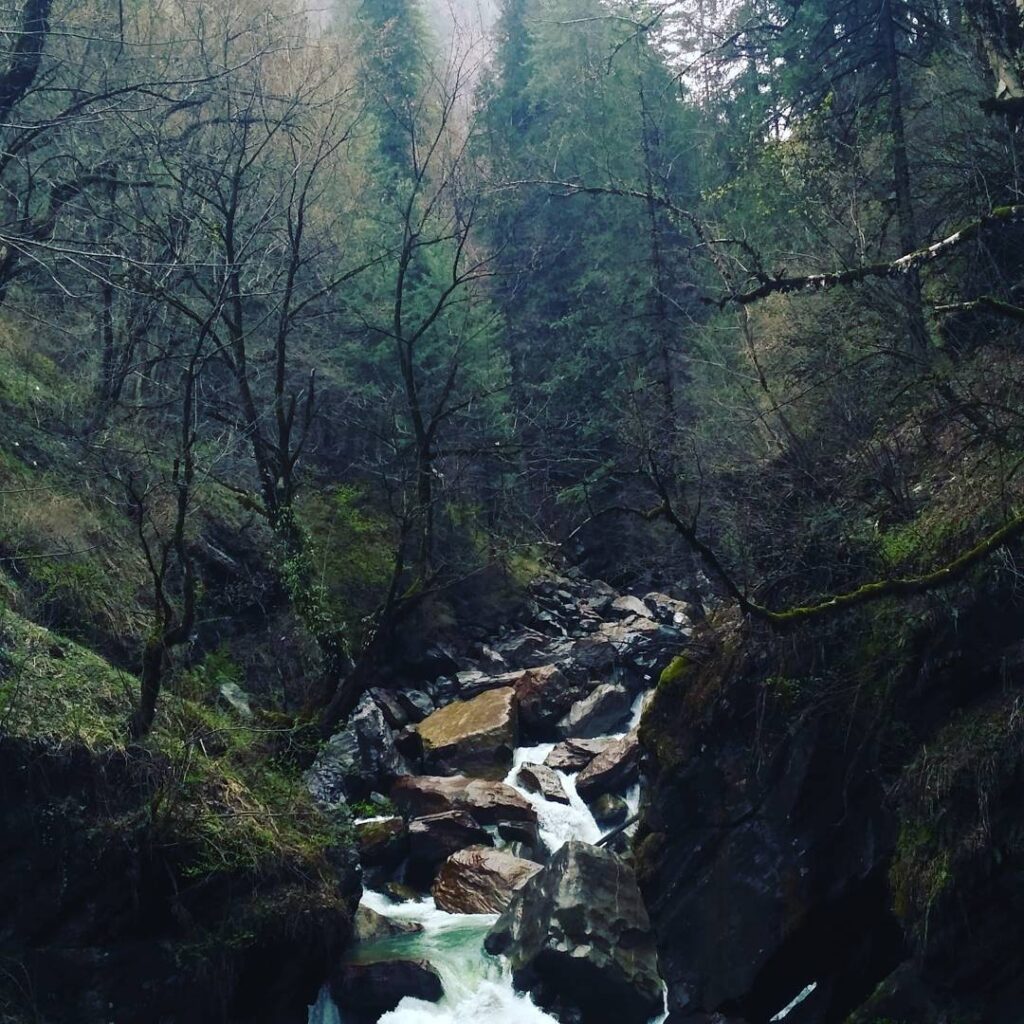
We took our time, stopping frequently to rest, admire the views, and truly absorb the beauty of Parvati Valley. Though the trek normally takes 4 hours, it took us nearly 6. Around 6 PM, just as the sun was dipping and our legs were screaming in protest, we saw the signboard welcoming us to Kheerganga.
But the skies had other plans.
Rain, Cold, and a Much-Needed Break before Kheerganga
As we approached the final kilometre, it began to drizzle, forcing us to hurry. We didn’t have any spare warm clothes and getting drenched could’ve made things much worse.
Shivering and soaked, I walked into the first shop I saw and collapsed in front of a bukhari—a traditional wood-burning heater used by locals. My feet were numb, my body aching, and my brain foggy from the cold. I sat there, silently warming myself and sipping cup after cup of tea, letting the warmth return to my limbs.
We waited out the rain for nearly an hour before venturing out again to find a place to stay.
A Dormitory in the Mountains
The rain had now turned into a full-blown downpour, leaving us with very few lodging options. We eventually found a basic dormitory charging Rs. 100 per night. It was my first time sleeping in a dorm, and to my surprise, I found it quite fascinating—a cheap and social way to experience the mountains.
The dorm gave us a mattress and a blanket. That’s it. Food had to be ordered separately. Still, it was enough. We were dry and under a roof.
Sadly, the rain never stopped that night. One of the things I was most looking forward to—seeing the Milky Way with the naked eye—was washed away, quite literally. It was one of the main reasons I wanted to do this trek, and missing it left me a little heartbroken.
Day 3: Last day of the Kheerganga Trek
Rejuvenation in the Hot Springs of Kheerganga
The next morning, I woke up sore all over. My legs were stiff, my back ached, and my body felt like it had aged a decade overnight. I didn’t even know how I’d make it back down. But there was still one thing I hadn’t done yet—the famed hot sulphur spring of Kheerganga.
Dragging my half-dead body to the spring turned out to be the best decision I made that day.
The moment I stepped into the steaming water, it felt like magic. The pain, fatigue, and cold all melted away. I just sat there, soaking in the healing warmth, letting the spring do its work. It was surreal—nature’s spa treatment, and easily one of the highlights of the trip.
Heading Back to Barshaini after the Kheerganga Trek
After the bath, we had a simple breakfast of scrambled eggs and toast at the “Lonely Planet Café.” The food was average, but it did the job. Once we were packed and ready, we began our descent back to Barshaini.
Compared to what we had endured on the way up, the return was a breeze. We kept a relaxed pace, stopping often to enjoy the views, sip on endless cups of ginger lemon honey tea, and reflect on our journey.
By late afternoon, we reached Barshaini just in time to catch the last bus to Kasol. With limited accommodation options in Barshaini, we decided to head straight there.
In Kasol, we booked our return ride to Delhi for the next day, explored some peaceful corners of Chalal, and treated ourselves to a warm shower and good food. It was the perfect end to a wild, unpredictable, and unforgettable adventure.
P.S. – A Word of Advice
If you’re planning your first trek, don’t do it unguided like I did. The Himalayas are magical—but they demand respect. Always prepare, research, and when in doubt, ask the locals before wandering off into the unknown.
Abhilash
Hi, I’m Abhilash, the voice behind Just an Ordinary Trekker. I’m not a professional mountaineer — just someone who discovered a deep passion for the mountains and the magic of the trail. What began as a weekend escape soon turned into a journey across some of India’s most beautiful trekking destinations — from the rugged Himalayan treks to the serene trails of Uttarakhand and Kashmir. Through Just an Ordinary Trekker, I share honest trekking guides, personal experiences, and inspiring travel stories that go beyond the itinerary. My goal is to help fellow trekkers — beginners and seasoned hikers alike — plan better, trek safer, and truly connect with nature. If you’re searching for authentic insights, practical tips, and a dose of mountain inspiration, you’ll feel right at home here. Welcome to Just an Ordinary Trekker — one of the few India trekking blogs that celebrates not just the summits, but the stories along the way.



2 Comments
Pingback:
Pingback: