Everything You Need to Know About the Hampta Pass Trek
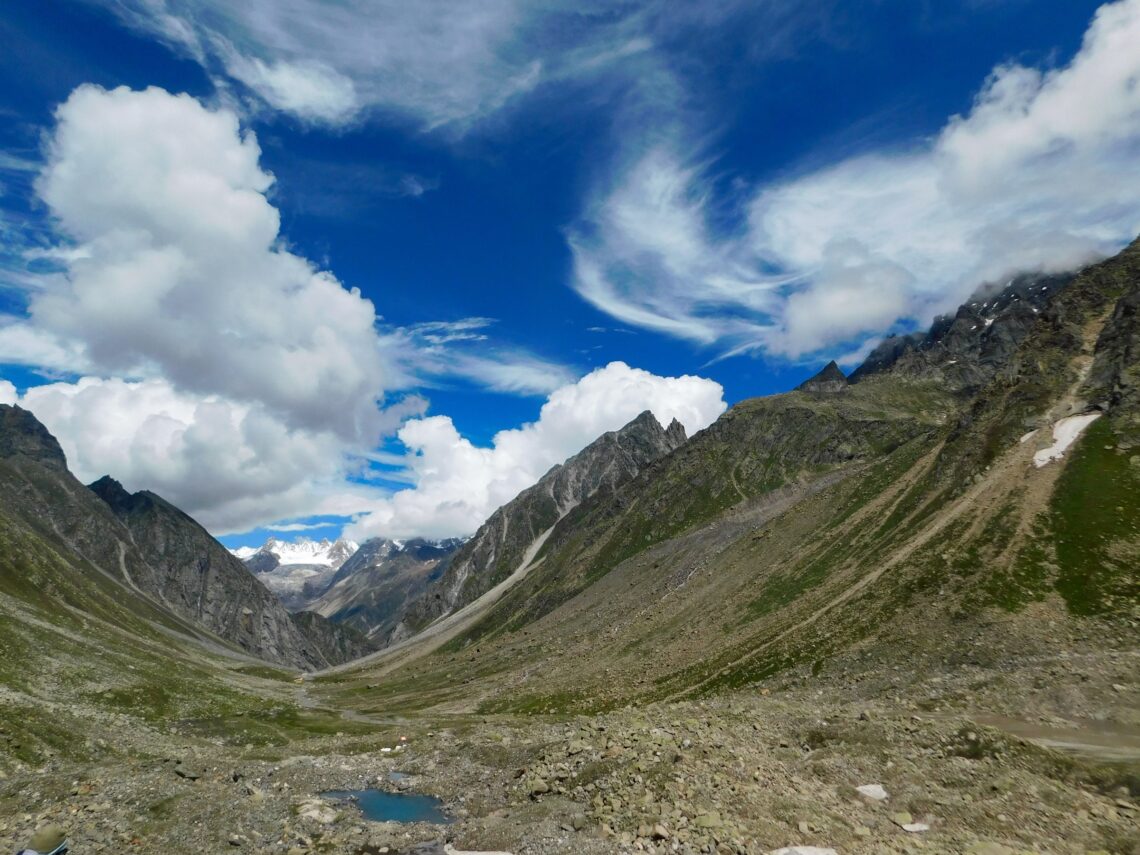
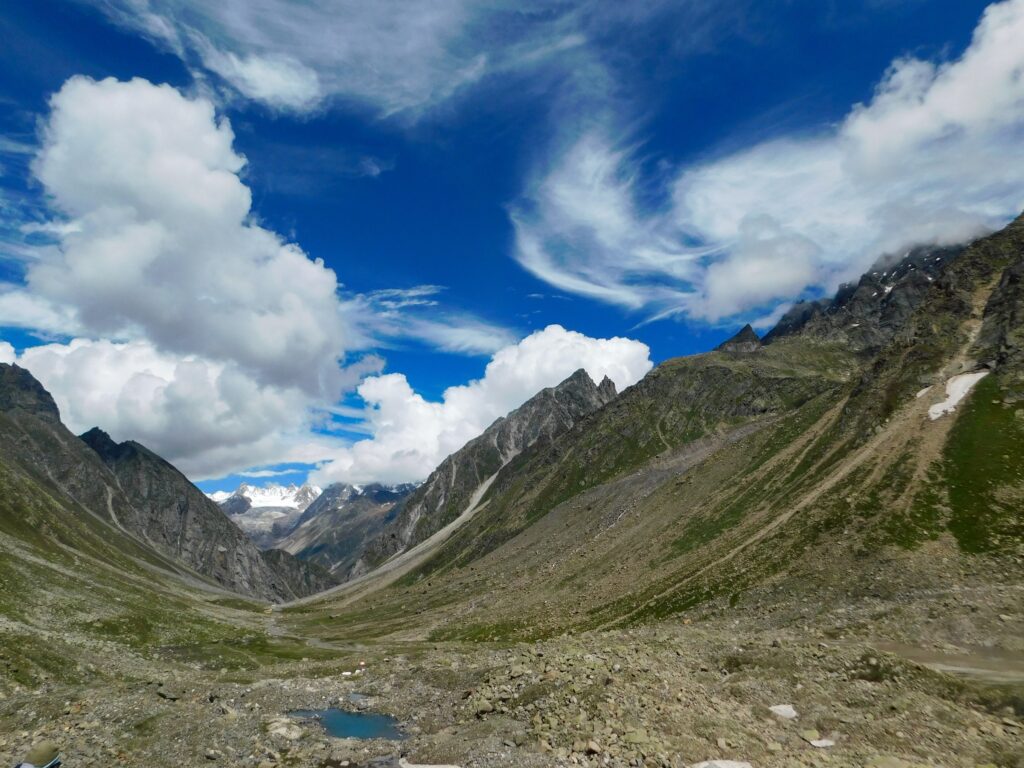
Few Himalayan trails pack as much visual drama into a short window as the Hampta Pass Trek. Acting as a natural corridor between the lush, green valleys of Kullu and the stark, arid landscapes of Lahaul and Spiti, this crossover trek changes its personality every few hours. One moment you are walking through dense pine forests and wildflower-carpeted meadows, and the next, you are navigating icy river crossings, boulder fields, and moon-like barren terrain.
If you are planning to take on this classic Himachal crossover, this complete guide covers the route, itinerary, difficulty, best seasons, costs, and preparation tips—alongside real stories from my own journey on the trail.
Quick Facts: Hampta Pass Trek at a Glance
| Feature | Details |
| Region | Kullu & Lahaul-Spiti, Himachal Pradesh |
| Duration | 5 to 6 Days (4 trekking days + drives) |
| Trek Distance | ~24 to 26 km (on foot) |
| Maximum Altitude | ~14,065 ft (4,287 m) at Hampta Pass |
| Difficulty Level | Moderate |
| Start & End Points | Jobra (Kullu) to Chhatru (Lahaul/Spiti) |
| Base Camp | Manali |
| Best Time to Visit | Mid-June to Early October |
Why Is the Hampta Pass Trek So Popular?
- Dramatic Crossover Landscape: Unlike out-and-back treks, Hampta Pass takes you from one world to another—crossing from emerald green Kullu meadows directly into the cold desert of Lahaul.
- Rich Variety in a Short Duration: Within just four days of walking, you experience maple and oak forests, glacial valleys, adrenaline-pumping river crossings, snow patches, and high-altitude ridges.
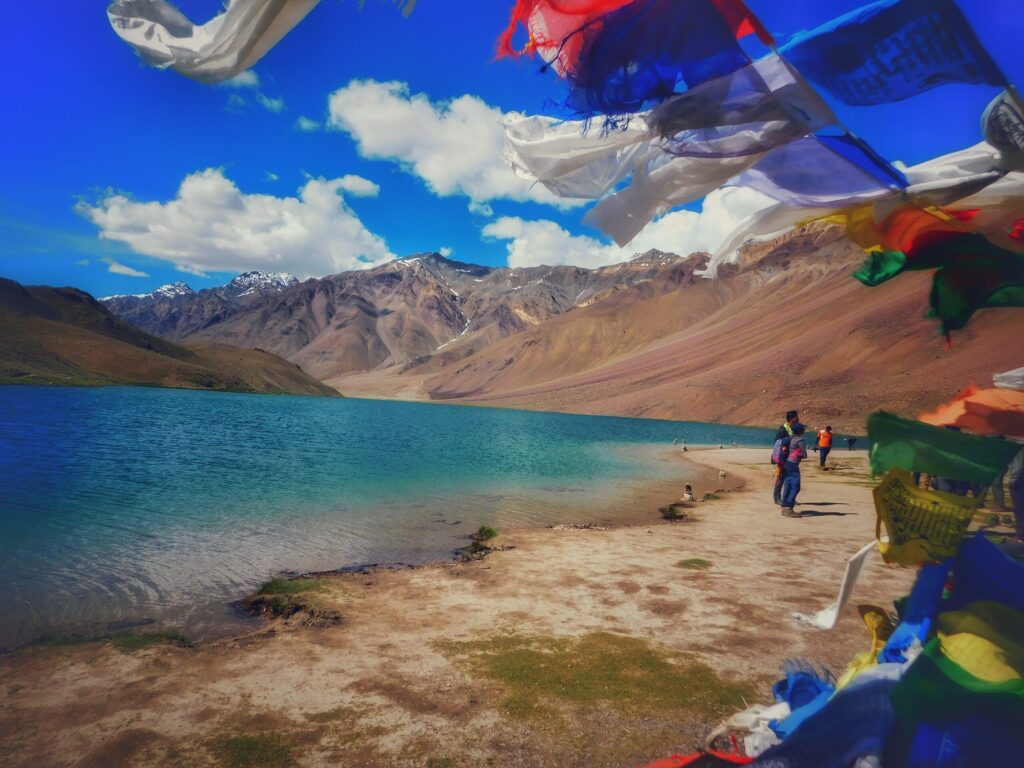
- The Chandratal Lake Excursion: Most itineraries conclude with a scenic drive from Chhatru to the crescent-shaped, high-altitude Chandratal Lake before returning to Manali.
- Accessible from Manali: The trailhead at Jobra is barely an hour’s drive from Manali, making logistics straightforward compared to remote Himalayan expeditions.
Day-by-Day Itinerary
(Note: Operators like Indiahikes run a 6-day itinerary with an acclimatization camp at Jobra, while others run a 5-day version that pushes directly to Chhika on Day 1.)
Day 1: Arrival in Manali & Drive to Jobra (8,965 ft)
Your journey begins in Manali, where you complete documentation and gear checks before driving up a series of hairpin bends to Jobra. A short walk through pine and maple forests leads to your first campsite beside the Rani Nala.
- From the Trail: Before even reaching Jobra, my own trip nearly derailed due to a last-minute scramble across town—read all about it in Hampta Pass Trek — The Misadventures of Manali Before the Mountains Began!.
Day 2: Jobra to Jwara (11,005 ft)
- Distance & Time: ~4.5 km | 4 hours The trail opens up into the stunning, wide valley of Chhika before climbing gently alongside the river toward Jwara. Expect boulder hopping, misty mountain walls, and icy stream crossings—especially if monsoon rains swell the water levels.
- From the Trail: You can read how our batch navigated pouring rain and swollen streams on this stretch in Surviving Hampta Pass Trek: Rain, Raging Rivers, and the Quest for Jwara.
Day 3: Jwara to Balu Ka Ghera (12,220 ft)
- Distance & Time: ~5 km | 4 hours Leaving the tree line completely behind, you walk across boulder-strewn riverbeds and lingering snow bridges to reach Balu Ka Ghera—a flat, sandy basin sitting right at the base of the Hampta Pass. Nights here are crisp, cold, and offer phenomenal stargazing.
- From the Trail: Relive the clear night skies and snow-patched approach in Hampta Pass Trek: Stargazing, Snow Patches, and the Trail to Balu Ka Ghera.
Day 4: Balu Ka Ghera to Shea Goru (12,695 ft) via Hampta Pass (14,065 ft)
- Distance & Time: ~7–8 km | 9–10 hours This is the most demanding and rewarding day of the trek. A steep, steady ascent brings you to the narrow ridge of Hampta Pass. Standing at over 14,000 ft, you look back at green Kullu and forward into the stark, towering peaks of Lahaul. The descent to the windswept campsite of Shea Goru is steep, rocky, and requires careful footing.
Day 5: Shea Goru to Chhatru (10,890 ft) & Drive to Chandratal
- Distance & Time: ~7 km walk (3–4 hours) + drive After a chilly morning river crossing near Shea Goru, the trail descends steadily along the Chandra River to Chhatru, where the trek ends. Weather and road conditions permitting, vehicles take you from Chhatru to Chandratal Lake before returning to camp.
Day 6: Chhatru to Manali
- Drive Time: 4 to 5 hours (via Atal Tunnel) Drive back to Manali, marking the end of the expedition. (Always keep a buffer day in Manali in case landslides or bad weather delay the return from Spiti.)
Best Time to Do the Hampta Pass Trek
- Mid-June to Early July (Snow Season): Best if you want thick snowfields at Balu Ka Ghera and a snowy pass crossing. Days are pleasant, though nights drop near freezing.
- Mid-July to August (Monsoon & Wildflower Season): The Kullu side bursts into lush green meadows covered in alpine wildflowers. Expect frequent rain, misty trails, and fast-flowing stream crossings.
- September to Early October (Post-Monsoon Season): Crisp blue skies, sharp mountain views, autumn colors in the lower valleys, and minimal rain—though temperatures drop noticeably at night.
Difficulty Level & Fitness Preparation
Hampta Pass is graded Moderate. While the first three days consist of manageable 4-to-5 km walks, Pass Day (Day 4) tests your endurance with 9–10 hours of steep climbs, loose scree descents, and high-altitude thin air.
- Cardio Benchmark: Aim to comfortably jog or briskly walk 5 km in 35 minutes at least 3–4 weeks before your trek.
- Strength & Mobility: Focus on squats, lunges, stair climbing, and calf raises to prepare your knees for the steep descent from the pass to Shea Goru.
- Acclimatization: Stay hydrated, avoid alcohol in Manali, and never skip your afternoon acclimatization walks at higher camps.
Cost, Permits & Essential Packing Tips
- Trek Cost: Organized 5-to-6-day packages from Manali typically range between ₹9,000 and ₹14,500 per person (including meals, tents, guides, permits, and transport from/to Manali).
- Mandatory Documents: Carry a government ID, passport-size photos, and a signed medical fitness certificate from a registered doctor—reputed operators strictly enforce a “no certificate, no trek” policy.
- Must-Have Gear:
- High-ankle, waterproof trekking shoes with good grip (crucial for wet rocks and scree).
- Layered clothing: moisture-wicking thermals, fleece, and a padded down jacket rated for sub-zero temperatures.
- Reliable rain gear (poncho or waterproof jacket + rain cover for your backpack), especially during July–August.
- Trekking pole (a lifesaver during river crossings and the steep descent from the pass).
- Quick-dry sandals/floaters for wading through freezing glacial streams.
Hampta Pass isn’t just a checklist of altitudes, river crossings, and campsite distances—it’s one of those rare Himalayan trails that teaches you how quickly the mountains can shift from serene to unforgiving, and back again. Whether you’re drawn by the promise of snowfields at Balu Ka Ghera, the dramatic ridge walk at 14,065 ft, or the surreal turquoise waters of Chandratal at the finish line, good preparation will let you slow down and actually soak in every contrast along the way.
Pack smart, respect the altitude, and keep an extra buffer day in your schedule—the mountains in Himachal always reward patience. If you’re gearing up for the trail soon, feel free to dive into my full day-by-day stories on Just An Ordinary Trekker or drop your questions in the comments below. See you on the trail!
Abhilash
Hi, I’m Abhilash, the voice behind Just an Ordinary Trekker. I’m not a professional mountaineer — just someone who discovered a deep passion for the mountains and the magic of the trail. What began as a weekend escape soon turned into a journey across some of India’s most beautiful trekking destinations — from the rugged Himalayan treks to the serene trails of Uttarakhand and Kashmir. Through Just an Ordinary Trekker, I share honest trekking guides, personal experiences, and inspiring travel stories that go beyond the itinerary. My goal is to help fellow trekkers — beginners and seasoned hikers alike — plan better, trek safer, and truly connect with nature. If you’re searching for authentic insights, practical tips, and a dose of mountain inspiration, you’ll feel right at home here. Welcome to Just an Ordinary Trekker — one of the few India trekking blogs that celebrates not just the summits, but the stories along the way.

You May Also Like
Kheerganga Trek Guide – What I Learned from my first trek!
Everything You Need to Know About the Bhrigu Lake Trek